
Phone:
+86-139-5121-3963
Views: 0 Author: Site Editor Publish Time: 2026-07-24 Origin: Site


Traditional electrosurgery presents significant clinical challenges, including high thermal spread and hazardous surgical smoke.
Today, complex procedures demand extreme precision and uncompromising safety for all patients. Modern operating rooms require advanced solutions to meet these strict clinical demands. Enter the ultrasound scalpel.
This foundational surgical energy device transforms operating techniques by relying on high-frequency mechanical vibration. It cuts and coagulates tissues simultaneously without using electrical current. We designed this comprehensive guide for surgical department heads, procurement managers, and clinical engineers. You will learn about primary clinical applications across various medical specialties. We will also explore expected clinical returns and patient safety improvements. Finally, you will discover the practical implementation requirements for upgrading your surgical instruments.
Primary Function: Ultrasound scalpels simultaneously cut tissue and seal vessels, significantly reducing blood loss, thermal damage, and operating room (OR) time.
Core Applications: Extensively utilized in high-precision fields requiring soft-tissue protection, including spine surgery, maxillofacial procedures, and complex laparoscopic interventions.
Evaluation Focus: Procurement decisions should prioritize the balance between cutting speed, hemostasis reliability, ergonomic design, and the lifespan of consumable components (like ultrasonic shears).
Implementation Reality: Successful adoption requires clinical training to manage the specific tactile feedback of the device and a clear protocol for instrument reprocessing or disposal.
Standard monopolar or bipolar electrocautery creates operational bottlenecks in modern surgery. Tissue charring occurs frequently during prolonged tissue dissection. Collateral thermal damage constantly threatens nearby nerves and delicate blood vessels. Surgeons must frequently exchange instruments to cut and then seal tissues. These instrument exchanges increase patient risk under anesthesia.
Frequent delays also increase overall operative time and facility costs. Surgical smoke obscures the visual field and poses respiratory risks. Nurses and surgeons breathe in these harmful aerosolized byproducts daily. We must address these clinical limitations to improve patient outcomes.
Acoustic energy solves these persistent electrosurgery issues efficiently. The blade vibrates mechanically at frequencies exceeding 55,500 Hz. This intense mechanical friction denatures tissue proteins instantly. The denatured proteins form a highly secure, sticky coagulum. It effectively combines cutting and vessel sealing into a single fluid action.
No electrical current passes through the patient during this process. This eliminates the risk of alternate site burns entirely. Thermal spread remains minimal, typically less than two millimeters. Surgeons gain unparalleled control near vital anatomical structures.
How do you measure a successful equipment upgrade in your facility? First, look at postoperative complications and recovery metrics. Complication rates should decrease significantly due to reduced tissue trauma. Surgical duration must shorten across high-volume procedures. Overall cost-per-procedure should drop significantly over the fiscal year.
You achieve this financial success through reduced consumable usage. Faster patient recovery also drives immense clinical value. Hospitals can process more cases safely with shorter surgical durations.
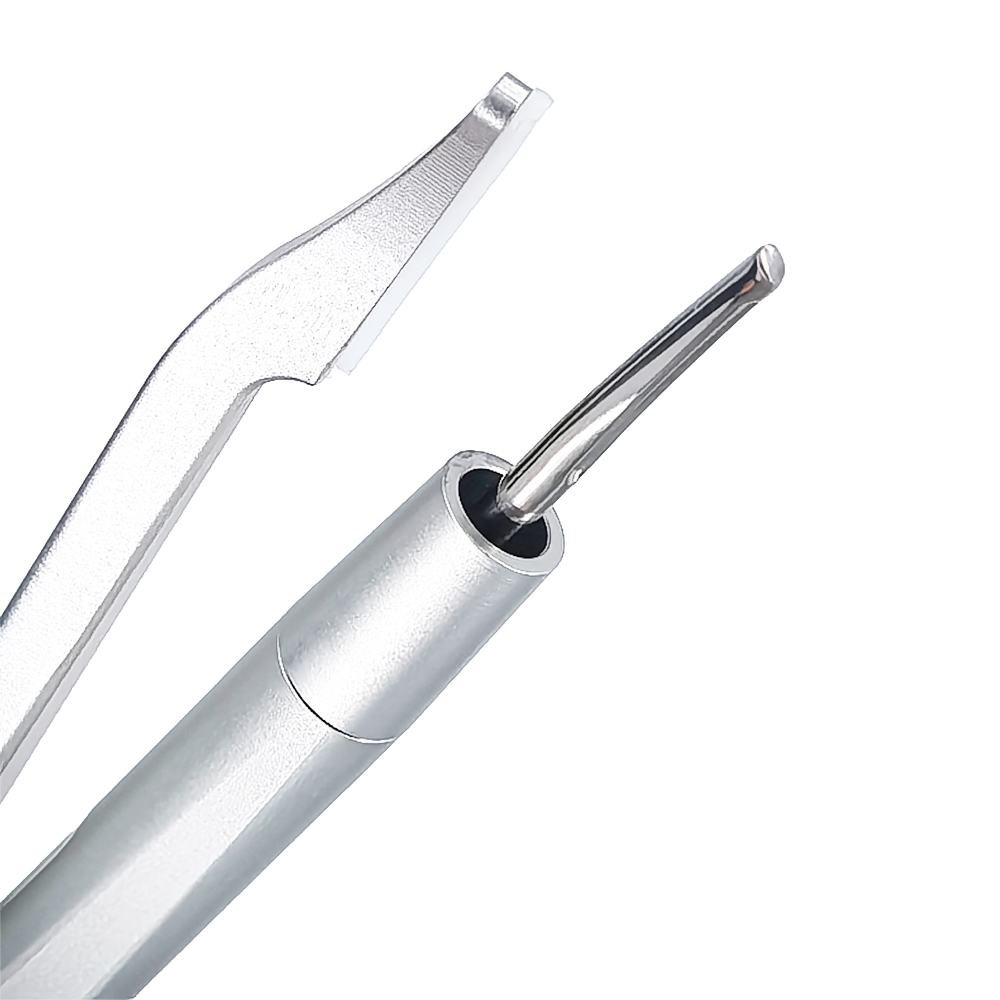
Spinal surgeons use acoustic energy for extreme precision bone cutting. They frequently perform complex osteotomies near the sensitive dura mater. The spinal cord requires extreme care to prevent devastating neurological damage. Mechanical vibration easily cuts through rigid, dense bone structures. However, elastic soft tissues remain largely unaffected by the rapid vibration.
Nerves and blood vessels literally bounce off the vibrating tip. This unique phenomenon is known as the soft tissue sparing effect. It drastically lowers the risk of accidental neurological deficits. Surgeons can remove bone safely near critical nerve roots. The lack of bleeding also keeps the tiny operative field visible.
Maxillofacial surgeons and specialists perform atraumatic bone harvesting routinely. They execute complex ridge expansions and delicate sinus lifts. Piezoelectric variations of acoustic devices excel in these specific dental applications. The precision cuts reduce postoperative swelling and facial pain significantly. Bone heals faster due to the lack of heat necrosis.
Bleeding stays minimal, improving surgical visibility inside the small oral cavity. Surgical smoke disappears entirely, preventing coughing or respiratory irritation. Surgeons enjoy superior visual clarity throughout the entire maxillofacial procedure. Patients experience faster recovery times with fewer postoperative complications.
This advanced tool shines brightly during complex thyroidectomies. The recurrent laryngeal nerve requires extreme protection from thermal damage. Bowel resections and gynecological oncology also benefit heavily from acoustic energy. The device securely seals vessels up to five millimeters in diameter. Precise dissection happens effortlessly in tight, highly vascularized anatomical spaces.
Long-shaft ultrasonic shears navigate these laparoscopic spaces effortlessly. Surgeons can grasp, cut, and coagulate without changing their primary instrument. This multitasking capability reduces overall laparoscopic port exchanges. It streamlines the entire workflow during lengthy abdominal surgeries.
Procurement teams must carefully map hardware features to clinical outcomes. High frequency consistency prevents unpredictable thermal spread across tissues. Reliable tissue effects depend heavily on a steady mechanical amplitude. If the amplitude drops, cutting speed and hemostasis quality suffer simultaneously.
Tip design heavily impacts surgeon fatigue during multi-hour procedures. Modern operating rooms demand excellent ergonomic profiles for all handpieces. Assess jaw pressure carefully when evaluating different manufacturer designs. Evaluate blade angles and trigger mechanisms for repetitive stress risks.
The following chart illustrates key features and their clinical outcomes.
| System Feature | Clinical Outcome | Impact on Workflow |
|---|---|---|
| 55,500 Hz Frequency | Minimal thermal spread (<2mm). | Allows safe dissection near major nerves. |
| Adaptive Tissue Feedback | Prevents severe blade overheating. | Reduces instrument damage and tissue charring. |
| Curved Jaw Design | Improves anatomical visibility. | Enhances precise target tissue isolation. |
| Universal Generator Port | Supports multiple handpiece types. | Saves physical space on the OR tower. |
Consider your current OR towers and existing capital equipment. A robust ultrasonic scalpel system must integrate seamlessly into your workflow. Does the main generator support various handpieces easily? Different medical specialties need highly specialized surgical tools.
Consolidating equipment saves money and reduces complex maintenance schedules. It also saves physical space in crowded operating theaters. Look for plug-and-play generators with intuitive touchscreen interfaces. Modern systems include highly active feedback loops inside the software.
They monitor tissue impedance continuously during the cutting phase. This advanced software prevents blade overheating during dense tissue transection. You successfully mitigate risks of inadvertent collateral damage. The generator adjusts power output automatically based on tissue density.
Surgeons face an initial learning curve when adopting this technology. They must adapt to distinct and unique tactile feedback. Mechanical cutting feels exactly like a hot knife through butter. There is minimal physical resistance compared to traditional cold steel scalpels.
Surgeons must master the concept of applied tissue tension. Proper upward pressure optimizes both cutting speed and vessel coagulation. Too much pressure compromises the vessel sealing process completely. Too little pressure causes slow cutting and excessive heat buildup.
Several logistical challenges exist for proper equipment sterilization. You must navigate strict regulatory compliance for infection control. Single-use components differ vastly from reprocessed or reusable items. Hospital protocols must dictate clear handling instructions for every component.
Follow these essential protocols for safe component reprocessing:
Separate all single-use cutting blades from reusable handpiece transducers immediately.
Wipe transducers with damp sponges immediately post-procedure to prevent crusting.
Follow manufacturer-specific autoclaving temperature limits strictly to protect piezoelectric crystals.
Inspect specific torque wrenches daily for signs of mechanical fatigue.
Store delicate transducers in dedicated protective trays to prevent drops.
Hospital administrators often question the upfront capital expenditure. However, you must analyze the reduction in secondary surgical consumables. You buy fewer mechanical clips for vessel ligation.
You use fewer expensive sutures and surgical sponges per case. Faster patient turnover drives massive financial impact across departments. You recoup initial investments rapidly through higher surgical volume. Improved efficiency benefits both the facility and the surgical staff.
Key implementation risks to monitor include:
Improper blade attachment leading to severe acoustic energy loss.
Dropping fragile transducers on hard operating room floors.
Failing to replace worn torque wrenches on schedule.
Ignoring software error codes on the main generator display.
How do you effectively shortlist high-quality medical device manufacturers? Focus strongly on independent clinical trial data and evidence. Review published peer-reviewed efficacy reports in major surgical journals. Check post-market surveillance records for any major FDA recalls.
Reliable vendors always provide transparent safety data and technical support. They offer comprehensive on-site training for your nursing staff. Establish a formal in-hospital evaluation period before making bulk purchases. Set highly quantifiable key performance indicators during this clinical trial.
Track operating room time saved across different surgical procedures. Measure surgeon satisfaction scores regarding ergonomics and device performance. Monitor specific equipment failure rates closely during the trial month. These objective metrics guide your final purchasing decision.
Check technical compatibility against your current sterilization vendor contracts. Schedule detailed hands-on clinical demos for your lead department surgeons. Evaluate the physical durability of all reusable system components. Compare long-term warranty structures and preventative maintenance requirements.
Build your procurement case based strictly on clinical outcomes. Focus on how the device improves daily surgical workflows. Avoid manufacturers who lack robust local technical support networks. Strong clinical partnerships ensure long-term success with your new equipment.
This advanced equipment represents a significant investment in care. It dramatically improves OR efficiency across multiple surgical disciplines. Surgeon ergonomics improve dramatically, reducing career-threatening repetitive strain injuries. Elevated patient safety remains the ultimate goal for any facility.
The right device balances cutting-edge acoustic technology perfectly. It provides rigorous clinical evidence alongside practical daily usability. Straightforward OR integration is essential for rapid nursing staff adoption. Upgrading your energy devices transforms how your surgical suites operate.
Audit your current surgical equipment usage immediately. Download a comprehensive vendor evaluation checklist to standardize your review. Contact a clinical specialist today to discuss your specific needs. Review your facility's case volume to determine optimal system configurations.
A: An ultrasound scalpel uses high-frequency mechanical friction. It generates minimal heat, typically under 100°C. Electrocautery relies on active electrical current. It generates intense high heat up to 400°C. The mechanical method produces significantly less surgical smoke. It also creates a much narrower thermal spread. This effectively protects surrounding healthy tissue and critical nerves.
A: Generators and transducers are reusable, durable capital purchases. However, the shears and blades are usually single-use items. Some specific models have strictly limited reprocessing cycles. Metal fatigue ultimately compromises cutting efficiency over continuous time. Strict hospital hygiene compliance also dictates single-use policies for ultimate patient safety.
A: Yes. Manufacturers explicitly design specifically configured ultrasonic bone scalpels to cut osseous tissue. These models often use specialized piezoelectric technology. They cut rigid bone highly effectively. Meanwhile, they perfectly preserve adjacent elastic soft tissues. Orthopedics, dentistry, and neurosurgery heavily utilize these highly specialized devices.
A: Yes, it frequently reduces overall operative time. Simultaneous cutting and sealing eliminates the need for frequent instrument swapping. However, exact time savings depend strongly on individual surgeon proficiency. The specific anatomical complexity of the procedure also plays a major role. Complex, highly vascularized cases typically see the most significant time reductions.


