
Phone:
+86-139-5121-3963


Surgical teams have long relied on traditional mechanical ligation methods. Techniques utilizing sutures and titanium clips require precise manual dexterity. These conventional methods often consume substantial surgical time. Today, modern operating rooms demand advanced solutions to streamline workflows. Adopting advanced energy devices represents a necessary evolution for surgical environments. These tools aim directly at reducing surgical time and significantly improving hemostasis. You can define a vessel sealer as a highly specialized surgical instrument. It actively combines controlled physical pressure and high-frequency electrical energy. This combination permanently fuses blood vessels and tissue bundles. We created this comprehensive guide to give you a detailed clinical and operational framework. You will discover how to thoroughly evaluate modern vessel sealing technology. We will show you practical ways to minimize implementation risks during hospital integration. Finally, you will learn how to justify procurement decisions to hospital administration clearly.
Core Mechanism: Vessel sealers combine controlled mechanical pressure with high-frequency energy to denature collagen and elastin, creating a permanent autologous seal.
Clinical Standard: Advanced bipolar vessel sealing devices reliably seal vessels up to 7mm in diameter, significantly reducing reliance on clips or ligatures.
Evaluation Priorities: Procurement should focus on lateral thermal spread mitigation, jaw ergonomics, generator compatibility, and clear FDA/CE regulatory compliance.
Broad Utility: Applications range from complex human robotic/laparoscopic procedures to expanding use cases in veterinary surgery.
Modern surgical energy transforms how we handle delicate anatomies. You must understand how these instruments alter the cellular structure of the vessel wall. When a surgeon activates the device, it delivers high-frequency electrical energy to the targeted tissue. This energy rapidly denatures structural proteins, specifically collagen and elastin. As the proteins melt, the instrument applies precise mechanical compression. This physical pressure forces the uncoiled protein strands to intermingle. As the tissue cools, the proteins reform into a new, solid structure. They create a translucent, permanent autologous seal. This fused tissue safely withstands standard physiological blood pressure.
You might wonder how this technology differs from older electrosurgical tools. Standard bipolar forceps primarily coagulate tissue. They rely on intense heat to char the vessel edges. This charring creates a proximal thrombus to stop bleeding. However, this method lacks consistency and often leads to tissue sticking.
Conversely, a true bipolar vessel sealing device operates much smarter. It actively measures tissue impedance hundreds of times per second. As tissue dries out during the heating phase, its electrical resistance changes. The device generator tracks this changing resistance. It automatically stops energy delivery the exact moment the seal cycle is complete. This automated feedback loop dramatically reduces user error and prevents tissue carbonization.
Efficiency relies on multitasking. Older techniques forced surgeons to seal a vessel, remove the energy tool, and insert scissors to cut. Modern devices eliminate this tedious step. They feature integrated mechanical blades housed directly within the jaw assembly. Once the device confirms a successful seal, the surgeon triggers a blade mechanism. The blade cleanly transects the center of the fused tissue. Surgeons can now seal and transect tissue without changing instruments. This capability keeps the surgeon focused on the surgical field.
Operating room time represents one of the most expensive resources in any hospital. Hospital administrators closely monitor surgical efficiency metrics. Simultaneous sealing and cutting sharply reduces the number of instrument exchanges. Surgical teams often refer to frequent tool swapping as the "instrument dance." Eliminating this dance directly translates to shortened procedural times. Shorter cases allow hospitals to schedule more procedures per day. This increased throughput serves as a key return-on-investment (ROI) metric for hospital administration.
Clinical efficacy remains the ultimate priority. Surgeons demand reliable hemostasis. Extensive clinical studies highlight the evidence-based advantages of vessel fusion. These seals routinely demonstrate burst pressure strengths comparable to or exceeding traditional mechanical clips. An effective seal typically withstands three times normal human systolic blood pressure. Furthermore, this method eliminates the need for permanent foreign materials. Traditional clips can dislodge, migrate, or interfere with future medical imaging. Using a vessel sealer significantly reduces foreign body retention risks. This improves overall patient safety and recovery.
Procurement teams face challenging financial decisions. Advanced energy instruments require a substantial initial investment. Administrators must carefully balance the higher upfront cost of disposable or repurchase components. However, they must weigh these expenses against broader systemic savings. These tools directly reduce overall operative time. They significantly lower intraoperative blood loss, which minimizes expensive transfusions. They also decrease postoperative complication rates. When viewed through a comprehensive clinical lens, the initial costs easily justify themselves.
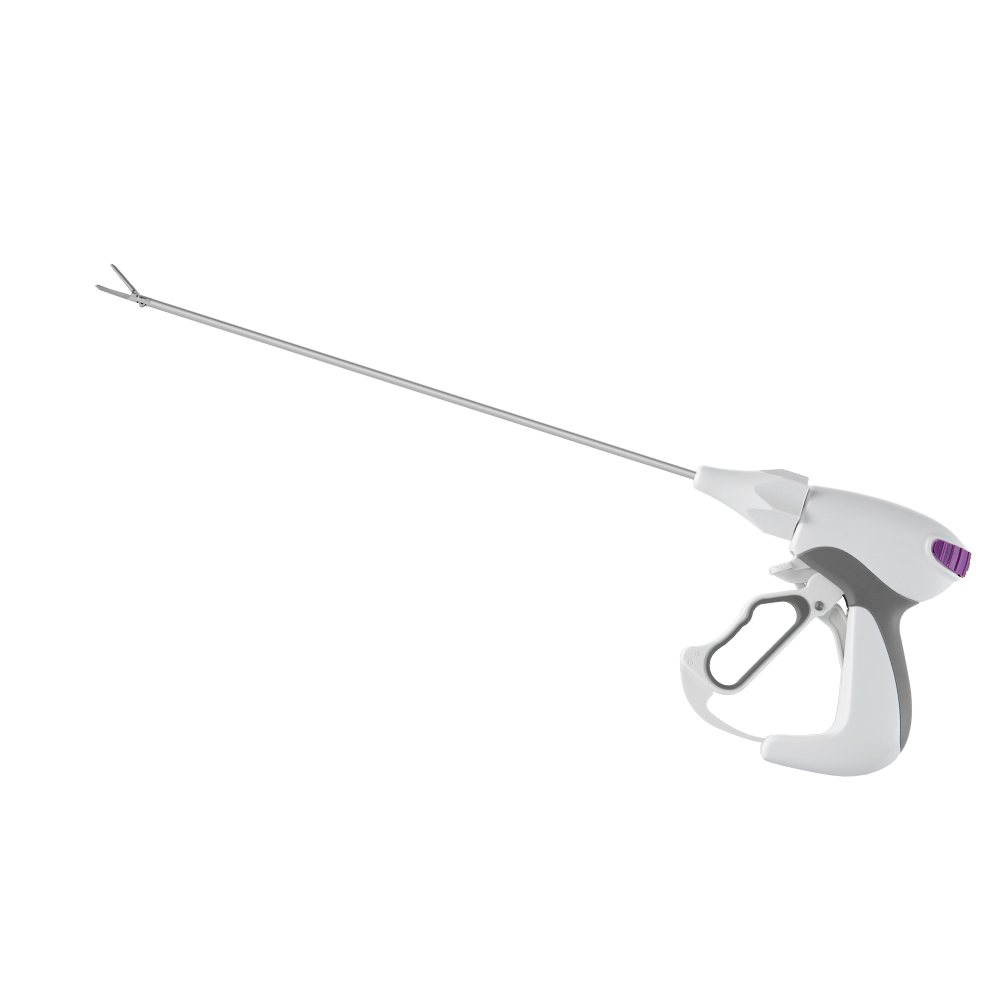
Surgeons utilize energy devices across a vast array of medical disciplines. You will find them heavily utilized in general surgery, gynecology, and urology. Complex procedures like colectomies, hysterectomies, and prostatectomies require meticulous dissection. Laparoscopic procedures present unique challenges due to limited visibility and restricted movement. These instruments excel at tissue handling in confined spaces. The slender shafts easily pass through standard trocars. The articulating jaws allow surgeons to navigate around critical structures safely and efficiently.
The rise of robotic surgery created new demands for energy delivery. Robotic platforms offer unparalleled visualization and articulation. Surgeons require energy tools fully compatible with these robotic ecosystems. Modern vessel sealing instruments now integrate directly into robotic arms. They leverage articulated wrists and precision control mechanisms. This seamless integration allows the primary surgeon to maintain complete control over energy delivery from the robotic console. They can manipulate tissue, seal vessels, and cut all via foot pedals and hand controls.
We are witnessing rapid adoption outside of human medicine. Veterinary practices increasingly embrace advanced surgical energy. Veterinarians face unique challenges, including varied anatomies and sensitive patients. We frame this growing adoption in veterinary medicine as a major leap forward in animal care. These devices provide a means to safely handle delicate tissues during routine procedures like spays or complex tumor removals. Most importantly, faster surgeries directly reduce total anesthesia time for animals. Shorter anesthesia duration significantly lowers mortality risks for veterinary patients.
When selecting a new energy platform, safety metrics must guide your decision. Thermal spread remains a primary concern. High temperatures can cause unintended damage to adjacent critical structures. Nerves, ureters, and bile ducts are highly vulnerable to heat injury. You must define acceptable lateral thermal spread limits for your surgical teams. The industry standard target typically ranges between 1 and 3 millimeters. High-quality devices actively cool the tissue margins to keep thermal spread well within this safe zone.
Surgeons interact directly with the instrument jaws. Therefore, jaw design dictates procedural success. Procurement teams should compare straight, curved, and Maryland-style jaws. Surgeons often prefer specific shapes based on the target anatomy. You must closely evaluate dissection capabilities and blunt visualization features.
| Jaw Type | Primary Characteristic | Best Use Case | Dissection Capability |
|---|---|---|---|
| Straight Jaws | Linear grasping surface | Broad tissue bundles, open surgery | Moderate; best for bulk grasping |
| Curved Jaws | Angled tip for visibility | Laparoscopic procedures, deep cavities | Good; improves tip visualization |
| Maryland Jaws | Tapered, fine-tipped curve | Complex, delicate anatomical spaces | Excellent; mimics a traditional hemostat |
Integration poses a significant hurdle for hospital IT and biomedical teams. You must carefully assess generator compatibility. Determine whether the selected handpiece requires a closed, proprietary energy generator. Some manufacturers lock hospitals into a single ecosystem. Conversely, evaluate if the instrument offers universal plug-and-play functionality. Universal devices work across multiple established generator brands. This flexibility often saves hospitals from purchasing redundant generator towers.
Surgeons cannot visually confirm cellular denaturation. They rely heavily on device feedback. Look for systems featuring real-time audio and visual feedback. Clear tones should confirm seal completion. Different alert sounds should notify the user of inadequate tissue grasping or dirty jaws. This sensory feedback builds surgeon confidence and ensures consistent clinical outcomes.
Hospitals must never compromise on regulatory standards. You must ensure devices hold current FDA 510(k) clearance or EU MDR CE marking. Specifically, verify the clearance explicitly states approval for sealing vessels up to 7mm. Do not accept vague marketing claims. Demand robust peer-reviewed clinical validation. Review published burst pressure studies and thermal spread independent analyses before making a purchasing decision.
Surgeon adoption rarely happens overnight. You must address the reality of the learning curve. These tools are highly automated. However, users must learn specific physical techniques to ensure success. We follow several core rules for training:
Center the tissue properly within the jaws before activation.
Avoid placing any tension on the vessel during the sealing cycle.
Wait for the complete feedback tone before engaging the cutting blade.
Never activate the energy when the jaws touch metal clips or staples.
Pulling or stretching the tissue during energy delivery can disrupt the protein matrix. This tension frequently leads to preventable seal failure.
Sustainability and sterile processing present daily challenges. You must differentiate between single-use disposable devices and reusable options. Single-use items guarantee sharp blades and pristine electrical connections for every patient. However, they generate substantial medical waste. Reusable options reduce waste but introduce intense sterilization challenges. Address the compliance challenges associated with reusable surgical energy instruments. Central sterile departments must rigorously clean reusable jaws. Any microscopic tissue residue can compromise electrical conductivity in subsequent surgeries.
Every surgical tool carries inherent risks. Acknowledge these risks upfront. Eschar buildup on jaws remains a common nuisance. Burned tissue sticks to the metal, reducing device efficiency. Thermal injury to surrounding tissue represents a more severe complication. Outline standard prevention and management protocols. Train scrub nurses to constantly wipe the instrument jaws with a damp sponge. Teach surgeons to visually inspect the jaw tips before every activation near critical structures. Proactive management easily mitigates these complications.
Choosing the right energy platform fundamentally impacts surgical success. You must remember that selecting the ideal vessel sealer requires balancing clinical efficacy with strict operational realities. Prioritize robust hemostasis and minimal thermal spread to guarantee patient safety. Simultaneously, evaluate the cost per procedure and generator platform compatibility to satisfy financial constraints. Your next steps should be highly action-oriented. Encourage clinical committees to request hands-on surgical trials. Ask manufacturers to provide detailed technical specification sheets. Thoroughly evaluate jaw performance, ergonomics, and system integration within your specific surgical environment before signing any procurement contracts.
A: Standard industry clearance is up to and including 7mm in diameter for arteries, veins, and tissue bundles. Medical regulatory bodies like the FDA rigorously test and validate these devices to ensure they consistently achieve secure hemostasis at this specific 7mm threshold across varied surgical specialties.
A: Bipolar sealers use electrical current and pressure to melt structural proteins. Ultrasonic devices use high-frequency mechanical vibration to create heat and coagulate. Bipolar devices generally offer higher burst pressures for larger vessels, while ultrasonic scalpels provide faster dissection speed and cooler jaw temperatures for rapid tissue division.
A: No. Unlike titanium clips or permanent sutures, vessel sealers rely entirely on the patient's own remodeled tissue (autologous seal) to achieve hemostasis. This process eliminates the risk of foreign body reactions, clip migration, or future imaging artifact complications.
A: Yes, but selection depends on the jaw size and thermal spread profile. Surgeons must evaluate the specific micro-instrumentation variants for delicate anatomies. Pediatric cases require smaller jaw footprints and highly controlled energy delivery to protect tiny, adjacent critical structures from unintended thermal damage.


