
Phone:
+86-139-5121-3963
Views: 0 Author: Site Editor Publish Time: 2026-05-29 Origin: Site


Minimally invasive surgery (MIS) relies heavily on precise and reliable hemostasis. Laparoscopic and robotic-assisted procedures demand impeccable bleeding control to ensure patient safety and visibility. Surgeons must navigate complex anatomies carefully. They cannot afford visual obstructions caused by uncontrolled bleeding.
Traditional ligation methods present distinct challenges. Manual sutures and mechanical clips demand frequent instrument exchanges. These repetitive swaps prolong operative time significantly. They also introduce risks of internal foreign-body reactions. Mechanical slippage remains a constant threat during patient recovery. Confined surgical spaces make these traditional steps exceptionally cumbersome.
Enter the modern vessel sealer. This multifunctional energy device transforms the surgical workflow. It simultaneously grasps, dissects, seals, and transects tissue. Surgeons standardize hemostasis through targeted energy delivery rather than manual ties.
This article provides an evidence-based framework for evaluating energy technologies. Procurement committees, department heads, and clinical decision-makers will discover how to standardize these tools. You will learn to measure clinical reliability, operational efficiency, and overall surgical impact.
Clinical Reliability: Advanced vessel sealers safely manage vessels and tissue bundles up to 7mm in diameter, consistently achieving burst pressures exceeding three times normal systolic pressure.
Operational Efficiency: Integrating four surgical functions into one device significantly reduces instrument exchanges, blood loss, and overall anesthesia time.
Standardized Evaluation: Device selection should be anchored in verifiable FDA-aligned metrics: burst pressure, measured thermal spread (ideally<1mm), and long-term biological seal integrity.
Economic Value: While upfront costs vary, high-quality vessel sealers offset expenses by replacing multiple mechanical stapler reloads and reducing postoperative complication rates.
Surgeons are moving away from dependent, multi-step hemostasis. Historically, securing a bleeding artery required a scrub nurse to pass a clip applier or a needle driver. The surgeon then applied the clip or threw a knot. Finally, they requested scissors to cut the thread. This sequence breaks concentration. It also clutters the surgical field.
A modern energy device puts complete control in the primary operator's hands. Surgeons deliver energy precisely where they need it. They dictate the pace of dissection. This autonomy matters immensely in confined spaces. Deep pelvic surgeries offer very little room for multiple instruments to maneuver simultaneously.
Upgrading to advanced energy platforms directly impacts operative metrics. Clinical data highlights several measurable improvements across routine and complex cases. Hospitals consistently track these performance indicators to validate their equipment choices.
Intraoperative Blood Loss: Complex cases like paraaortic lymphadenectomies show dramatic improvements. Average blood loss often drops from over 60ml to under 40ml.
Operative Duration: Procedure times decrease significantly. Surgeons spend less time managing minor bleeds.
Patient Physiology Management: Patients with high BMI or extensive internal adhesions benefit greatly. Faster procedures mean reduced anesthesia exposure.
Lymph Node Yield: Energy devices allow finer dissection. Surgeons frequently retrieve higher numbers of intact lymph nodes.
We must also frame the economic argument accurately. Hospital procurement teams often scrutinize the initial price tag of disposable handpieces. However, the true financial impact lies in resource offset. A single-use device functions reliably for an entire procedure. You must compare this against the cumulative cost of alternative supplies.
Complex bowel resections might require multiple mechanical stapler reloads. Each reload carries a high cost. Titanium clips add up quickly during extensive node dissections. By replacing these consumables, a high-quality vessel sealer offsets its own expense. Furthermore, superior hemostasis reduces postoperative complication rates. Fewer return trips to the operating room protect the hospital's financial margins and improve patient care.
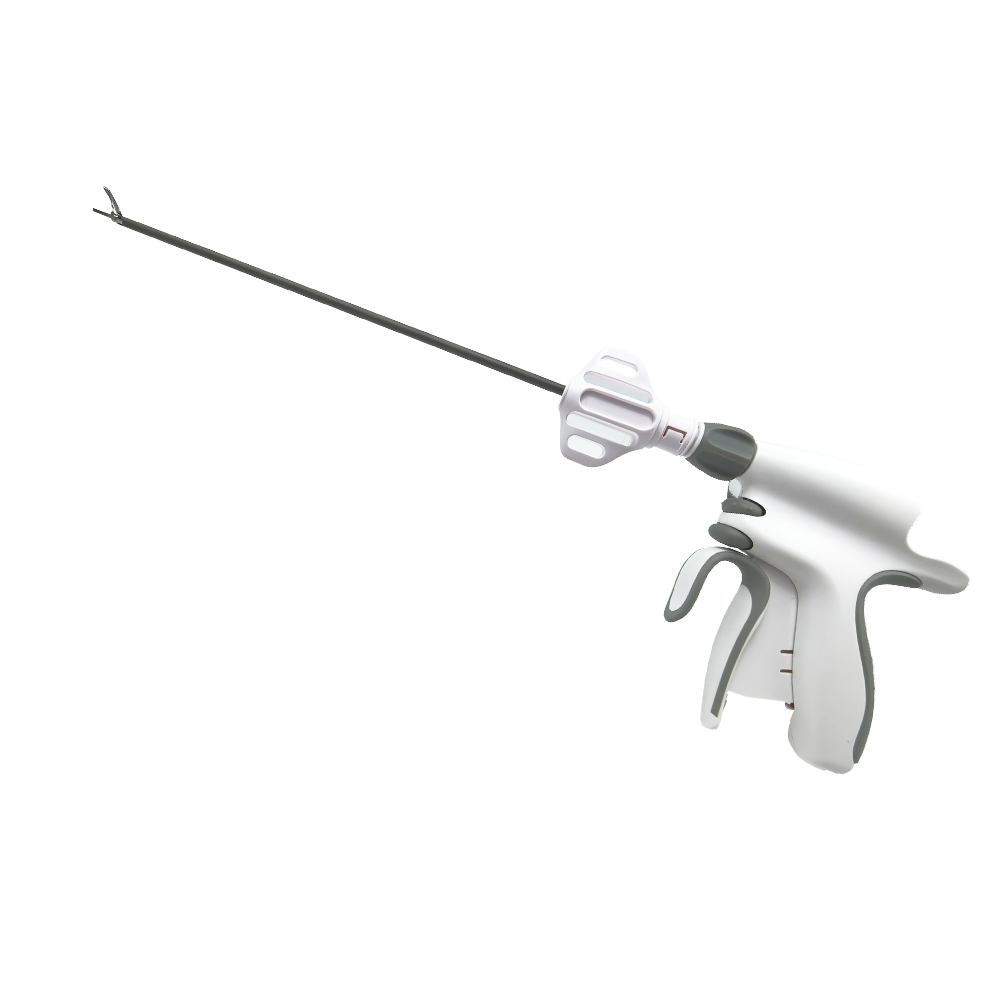
Understanding the physics behind these instruments is crucial. Market offerings fall into three primary technological categories. Each category leverages a different mechanism of action to achieve hemostasis. Clinical leaders must match the right technology to the specific surgical application.
Bipolar systems utilize radiofrequency (RF) energy to fuse tissue. The device jaws pass an electrical current directly through the target bundle. This current heats the tissue internally. The heat denatures collagen and elastin proteins within the vascular walls. Simultaneously, the mechanical jaws apply precise physical compression. The denatured proteins intermingle and cool under this pressure. They form a permanent, translucent fusion zone.
This technology is best for operations requiring minimal lateral thermal spread. Surgeons rely on bipolar systems when working close to vital nerve structures. Thyroidectomies and pelvic floor reconstructions are prime examples. The directed current stays strictly between the device jaws.
Ultrasonic instruments do not pass electrical current through the patient. Instead, they utilize high-frequency mechanical vibration. A piezoelectric transducer in the handle vibrates a metal blade tens of thousands of times per second. This rapid friction generates localized heat. The heat denatures tissue proteins while the mechanical action slices through them.
These systems excel at rapid dissection. They cut and coagulate simultaneously. Surgeons prefer ultrasonic tools when speed is paramount. Additionally, ultrasonic friction produces significantly less char. It also minimizes smoke plume generation, maintaining clear visualization for the laparoscope.
Hybrid technologies integrate both bipolar RF and ultrasonic capabilities. They house both energy modalities within a single system. Surgeons can switch between electrical fusion and mechanical cutting based on immediate tissue requirements.
Hybrid platforms handle high-complexity surgeries effectively. They offer maximum versatility across varied tissue types. However, they carry considerations. They typically require higher capital investments for the generators. Their single-use consumables also cost more than standalone bipolar or ultrasonic handpieces.
| Technology Type | Primary Mechanism | Key Clinical Advantage | Best Suited For |
|---|---|---|---|
| Bipolar RF | Electrical current + compression | Minimal thermal spread, high burst pressure | Nerve-sparing procedures, thick tissue bundles |
| Ultrasonic | High-frequency mechanical friction | Simultaneous rapid cutting, low smoke | Fast dissection, highly vascularized loose tissue |
| Hybrid | Combined RF and ultrasonic | Maximum surgical versatility | High-complexity oncology, multi-organ cases |
Procurement choices must root themselves in verifiable clinical data. You cannot judge a device based solely on surgeon preference or subjective feel. Industry standards dictate specific performance benchmarks. These benchmarks guarantee patient safety during critical hemostatic maneuvers.
Burst pressure stands as the primary safety metric. A fused seal must withstand significant systemic pressure before failure. Normal systolic blood pressure rests around 120 mmHg. A competitive energy device must create a seal that withstands pressures exceeding three times this normal rate. High burst pressures protect against post-operative bleeding when a patient's blood pressure naturally spikes during anesthesia recovery.
Thermal spread mitigation requires equal attention. Histological data tells the true story here. When energy heats a target, heat naturally radiates outward. This lateral thermal damage threatens adjacent healthy tissue. Ureters, delicate nerves, and bowel walls are highly vulnerable. Leading devices achieve average thermal spreads of less than 1mm. Procurement teams must request independent histological evidence verifying these exact measurements.
Intelligent algorithmic energy delivery separates modern tools from legacy equipment. Advanced generators measure tissue impedance in real time. As tissue dries out during sealing, its electrical resistance changes. The algorithm automatically adjusts the energy output accordingly. This smart feedback speeds up sealing cycles, often completing a fusion in under 2 to 10 seconds. The system then delivers distinct audio feedback, making the entire operation intuitive.
Hospital committees should enforce strict compliance and testing requirements. Prioritize devices validated by rigorous premarket standards. When reviewing FDA 510(k) testing dimensions, focus on these specific requirements:
Mechanical Jaw Strength: The device must maintain consistent compression across its entire jaw length without bending.
Ex Vivo Burst Testing: Manufacturers must prove pressure resistance on challenging, large-diameter vascular structures.
Chronic Animal Studies: Vendors should present data demonstrating long-term biological seal integrity over a multi-week recovery period.
Electrical Safety Compliance: Generators must meet international standards for leakage current and electromagnetic interference.
Physical design elements dictate clinical utility. An energy device is only useful if it can reach the target tissue safely. Ergonomics and access play pivotal roles in minimally invasive environments. The deep pelvic sidewall presents steep approach angles. Bulky instruments fail here.
Slim, curved jaws provide superior visualization. They allow the surgeon to see exactly what lies behind the target bundle. The curve perfectly mimics natural anatomical contours. This contouring helps surgeons slide behind arteries safely. Furthermore, miniaturized options are crucial. Pediatric surgeries or ultra-minimally invasive applications demand 3mm or 5mm shaft diameters. These smaller profiles reduce port-site trauma and speed up patient recovery.
Robotic-assisted integration introduces new functional requirements. Robotic colectomies and prostatectomies rely on precise spatial manipulation. A dedicated robotic vessel sealer requires fully wristed articulation. Stiff laparoscopic instruments cannot maximize a robotic platform's potential. The end-effector must translate the surgeon's console movements flawlessly. It must mimic the human wrist. This capability returns full control of complex dissection to the primary operator.
High-stakes procedures prove the necessity of these design elements. Consider a paraaortic lymphadenectomy. The surgeon operates mere millimeters from the aorta and vena cava. Precise tissue separation is non-negotiable. Robust closure of lymphatic channels is mandatory to prevent postoperative lymphoceles. Hysterectomies demand secure sealing of the highly pressurized uterine arteries. Bowel resections require spotless hemostasis within the mesentery before anastomosis. In all these scenarios, advanced energy tools perform flawlessly where manual tying would struggle.
Bringing new energy platforms into an established operating room involves specific challenges. Clinical leaders must anticipate adoption friction. Transitioning from traditional mechanical methods to algorithmic energy requires a mindset shift.
Surgeons face a distinct learning curve. Legacy techniques relied heavily on manual tactile tension. Doctors felt the knot tighten. Modern tools rely on audio-feedback systems and tissue-sensing algorithms. Surgeons must learn to trust the machine's tone over their physical sensation. Proper wet-lab training bridges this gap. Hands-on experience builds confidence in the algorithm's reliability.
Infrastructure compatibility often creates hidden hurdles. You must verify whether a new handpiece requires a proprietary energy generator. Closed systems force hospitals to purchase expensive capital equipment. Conversely, some modern handpieces integrate seamlessly with a hospital's existing universal electrosurgical units (ESUs). Maximizing current capital equipment reduces implementation barriers.
We recommend using a structured shortlisting logic. Procurement matrices help balance clinical necessity against operational scale. Evaluate devices systematically before requesting vendor trials.
| Evaluation Category | Critical Metrics to Assess | Weight in Decision |
|---|---|---|
| Clinical Necessity | Vessel size capability (up to 7mm); Histological thermal spread (<1mm). | High Priority |
| Infrastructure Integration | Compatibility with existing ESUs; Plugs directly into current tower setups. | Medium Priority |
| Ergonomics & Design | Availability of 5mm/3mm shafts; Curved jaw design; Wristed robotics. | High Priority |
| Operational Scale | Unit cost stability; Standardization potential across General, GYN, and URO departments. | Medium Priority |
Transitioning to an advanced energy platform represents a strategic surgical shift. It is not merely a routine tool upgrade. These devices standardize hemostasis, driving down complication rates across multiple departments. They enable faster turnover times and provide vastly superior surgical ergonomics in confined anatomical spaces.
Your next steps should involve rigorous, evidence-based evaluation. Request independent histological thermal-spread data from vendors immediately. Do not rely on marketing brochures alone. Finally, mandate hands-on wet-lab trials for your surgical staff. Direct experience with burst pressure reliability and audio feedback mechanisms will ensure you select the safest, most efficient platform for your hospital.
A: The current industry standard allows for the safe closure of vessels up to 7mm in diameter. This applies to arteries, veins, and dense lymphatic bundles. This capability is validated by rigorous burst pressure testing, ensuring the seals withstand immense systemic stress.
A: Sealers fuse internal tissue using targeted energy and mechanical compression. They create a natural protein bond without leaving any foreign material behind. Staplers, conversely, rely entirely on mechanical titanium or polymer clips and staples that remain permanently in the patient's body.
A: Most modern advanced energy handpieces are single-use disposable devices. This guarantees pristine jaw mechanics and entirely sterile cutting blades for every patient. However, the energy generator that powers them is a permanent capital equipment fixture in the operating room.
A: Lateral thermal spread refers to unintended heat damage occurring in tissue adjacent to the target vessel. Minimizing this spread—ideally keeping it under 1mm—is absolutely crucial. It prevents accidental thermal injuries to nearby vital nerves, ureters, and organ walls during dissection.


